Quality control
Manufacturing Quality Control in China
Meknora turns drawing requirements, critical features, cosmetic criteria, material documents, packaging, and release authority into a project-specific inspection plan.
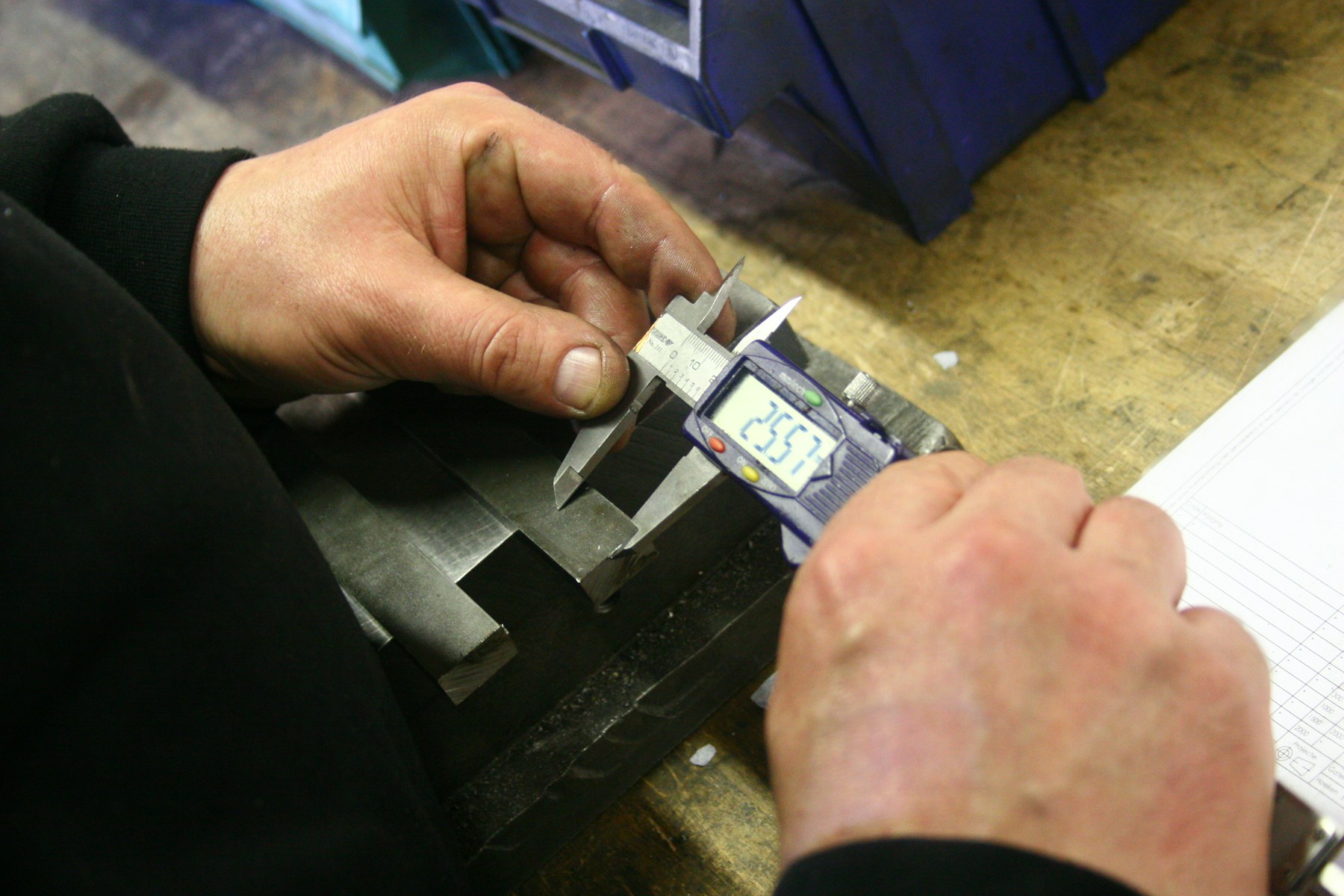
The control principle
“Inspected” is meaningful only when the revision, acceptance criteria, method, sample scope, and release decision are clear.
We do not apply the same checklist to every part. A cosmetic enclosure, a tight-tolerance machined component, and an off-the-shelf electronic item have different failure modes. The quotation should state which controls and records are included.
Your Meknora project contact keeps supplier questions, inspection findings, and customer decisions tied to the same approved requirement and revision.
Control path
Checks follow the manufacturing risk.
The quotation identifies which checks apply, who performs them, the sample scope, the required records, and who authorizes release.
- 01
Supplier selection
Candidate suppliers are reviewed for process fit, material experience, expected volume, schedule, documentation, and inspection needs. Selection is project-specific; it is not based on a published factory count.
- 02
Incoming inspection
Material identity, supplier documents, purchased components, and visible condition are checked where the agreed control plan requires them. Required certificates must be stated before quotation.
- 03
First-off and in-process checks
Critical features and process conditions can be checked before the full batch continues. The timing and sample scope depend on process risk, quantity, and the approved plan.
- 04
Final inspection
The release check covers the agreed dimensions, appearance, quantity, revision, workmanship, documents, and any approved sample or acceptance reference.
- 05
Packaging verification
Part protection, labels, count, separation, moisture or surface protection, carton condition, and project-specific packing instructions are checked before shipment.
- 06
Pre-shipment verification and release
Inspection results and unresolved deviations are reviewed against the agreed release authority. Goods are not represented as approved when an open non-conformance still needs customer disposition.
Acceptance evidence
State what must be checked—and what record you need.
Evidence requirements affect supplier selection, inspection time, cost, and lead time. Add them to the RFQ instead of assuming they are included.
| Control area | Define before production | Possible evidence |
|---|---|---|
| Dimensions | Critical features, tolerance source, sampling or coverage | Recorded results where included in the inspection scope |
| Appearance | Finish standard, cosmetic zones, approved sample or defect criteria | Inspection notes and photographs where appropriate |
| Material documents | Material grade and required certificate type | Supplier document or certificate when specified and available |
| Inspection report | Characteristics, sample plan, format, and release authority | Project-specific report—not a generic pass statement |
| Packaging | Protection, quantity per pack, label, carton, and shipping conditions | Packing check and photographs where included |
Measurement equipment is confirmed, not assumed.
The required method and equipment depend on tolerance, geometry, access, material, and sampling. Specific instruments are published only after their availability, suitability, and supporting evidence are verified for the supplier or inspection route. Until then, the quotation or control plan must name the agreed method.
Non-conformance handling
A failed check is documented before the shipment decision.
The response depends on severity and the agreed commercial terms, but the issue should remain visible until an authorized disposition is recorded.
- Identify and document the affected requirement.
- Contain the affected quantity and pause release where required.
- Review scope, cause, schedule, and available disposition.
- Obtain customer approval for use-as-is or specification changes.
- Coordinate rework, replacement, or other agreed corrective action.
- Re-verify the result before the shipment decision.
Critical requirements
Tell us what cannot be wrong.
Upload the drawing and identify critical dimensions, appearance zones, material records, inspection reports, or packaging conditions needed for acceptance.
Start Your RFQ