
01
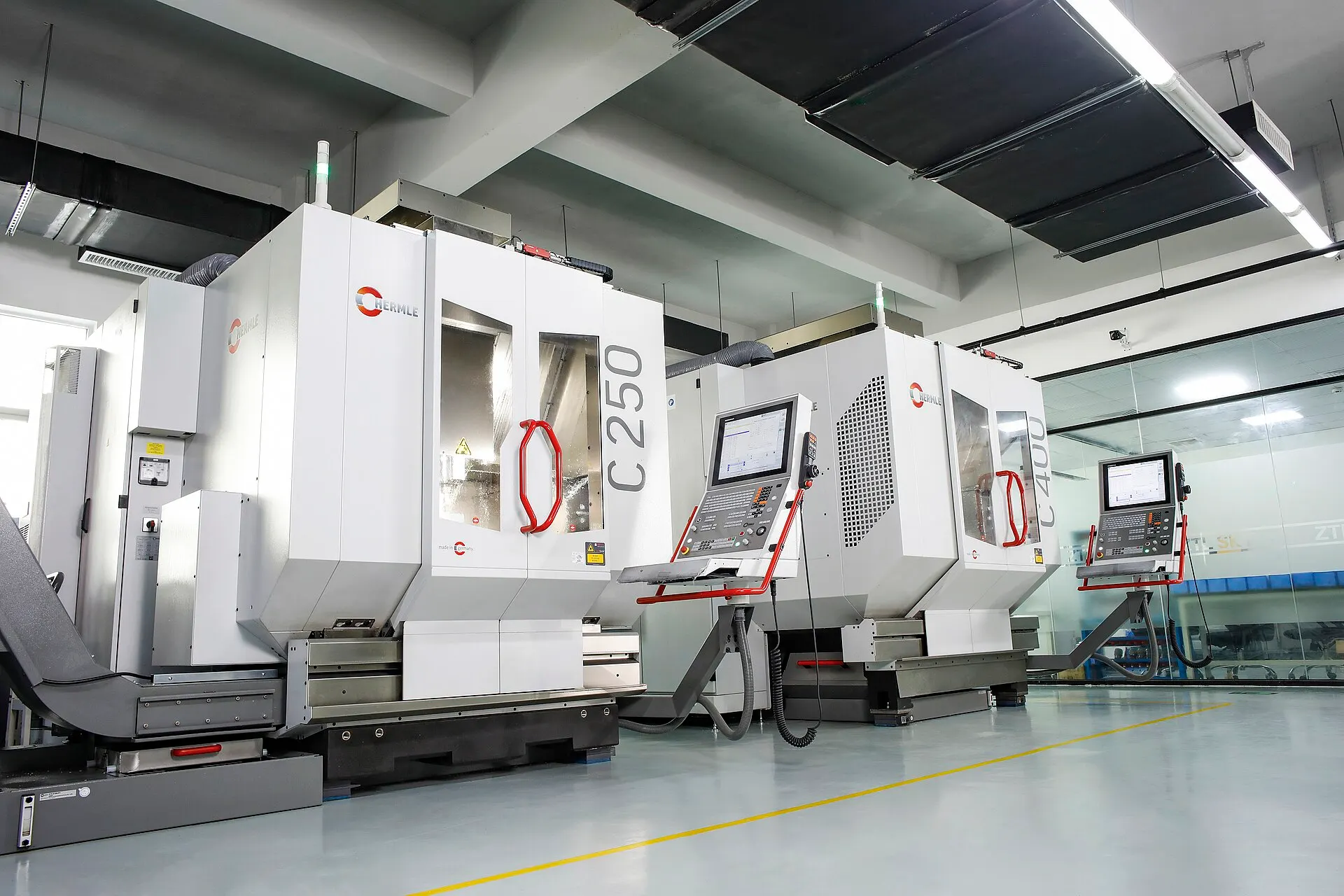
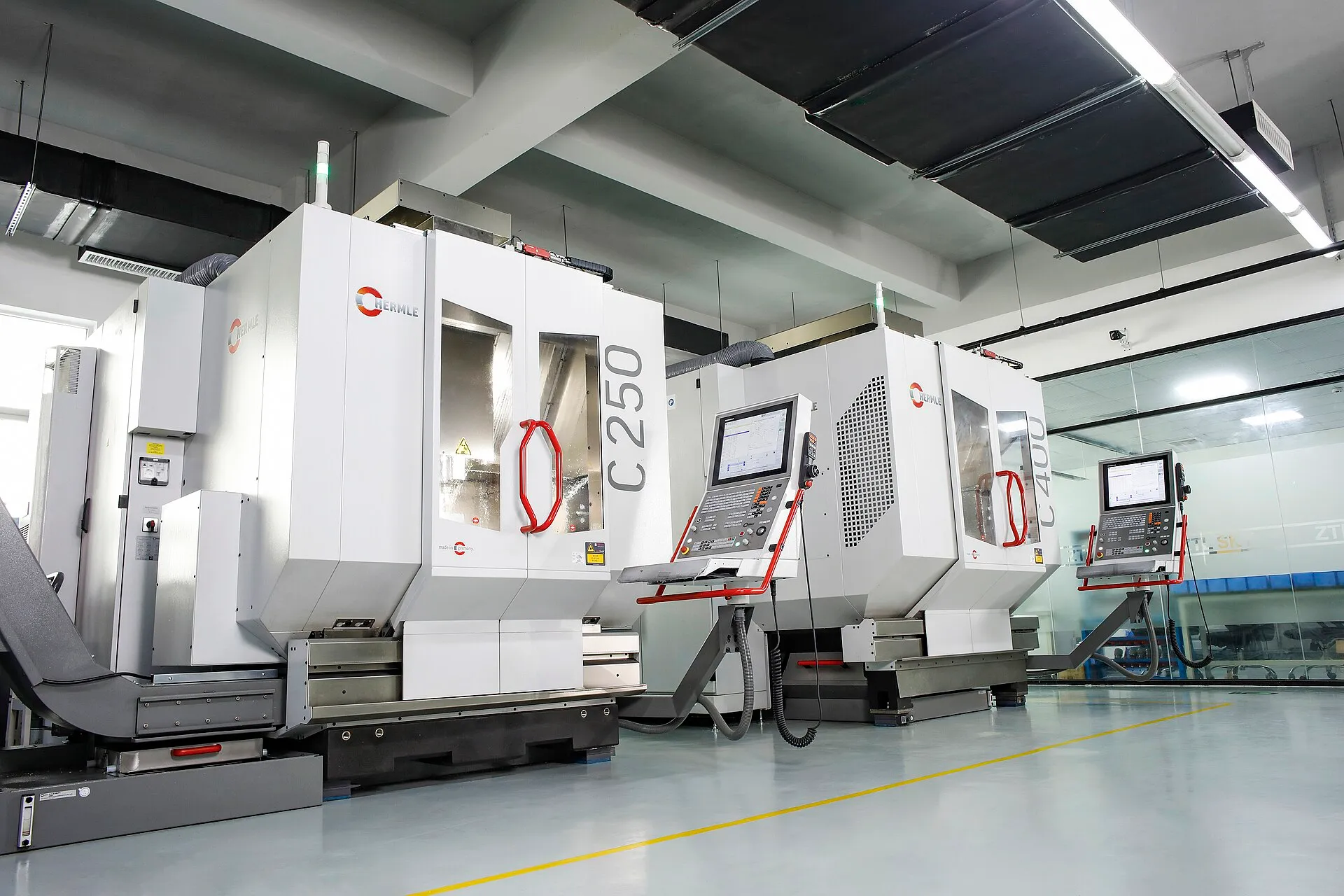
CNC Machining
Machined prototypes, bridge production, and repeat runs with drawing, tolerance, material, and finish review.
Start Your RFQMeknora Manufacturing
From Drawing to Delivery.
Meknora helps engineering and purchasing teams source, manufacture, inspect, and deliver custom parts through a managed supplier network in China. Start with the files and requirements you have.
Manufacturing capabilities
Specify a process or send the complete requirement. We review supplier fit, quotation assumptions, quality controls, packaging, and delivery scope as one project.
Machined prototypes, bridge production, and repeat runs with drawing, tolerance, material, and finish review.
Start Your RFQ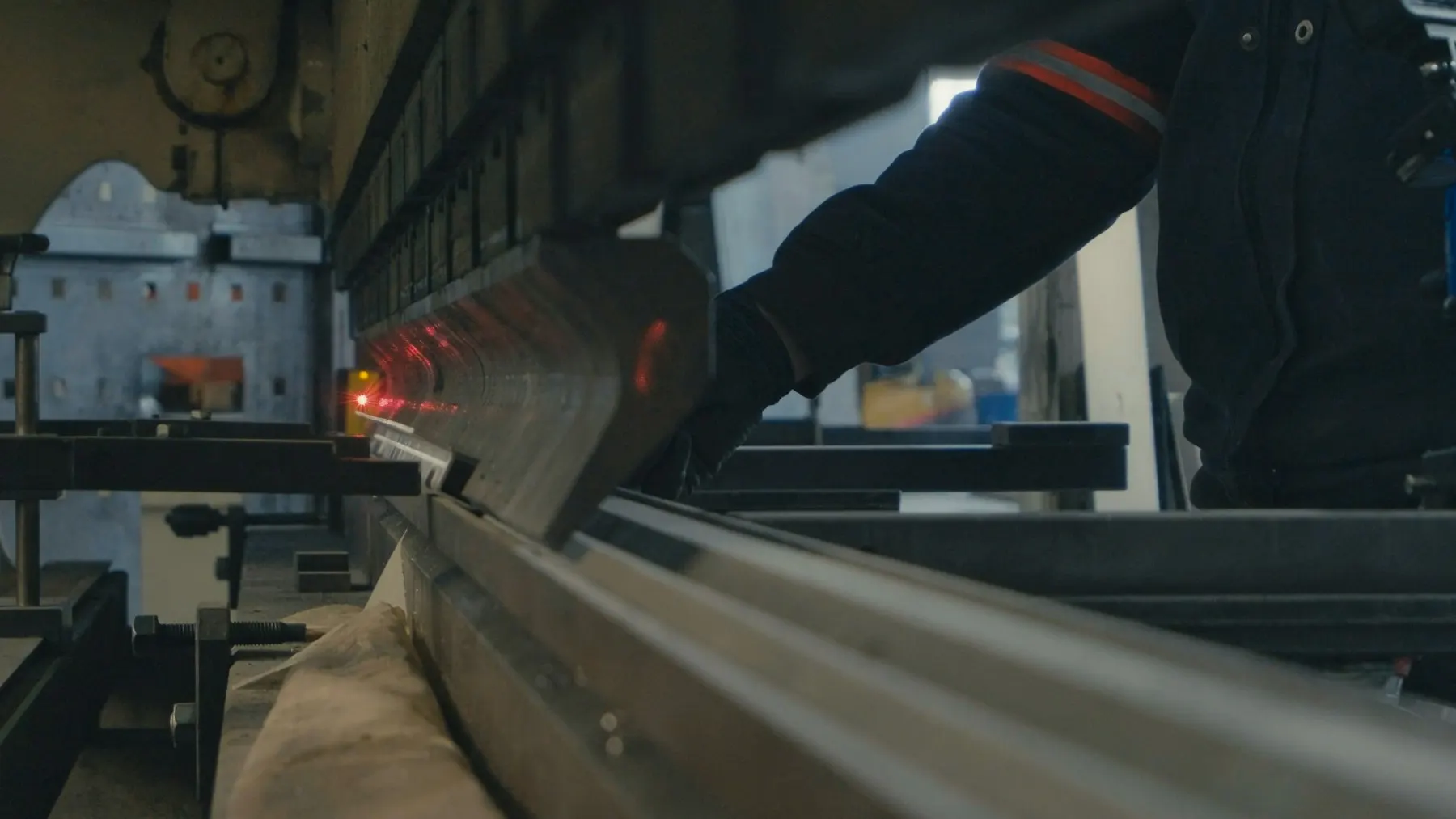
Enclosures, brackets, frames, and welded assemblies coordinated across forming, joining, finishing, and inspection.
Start Your RFQ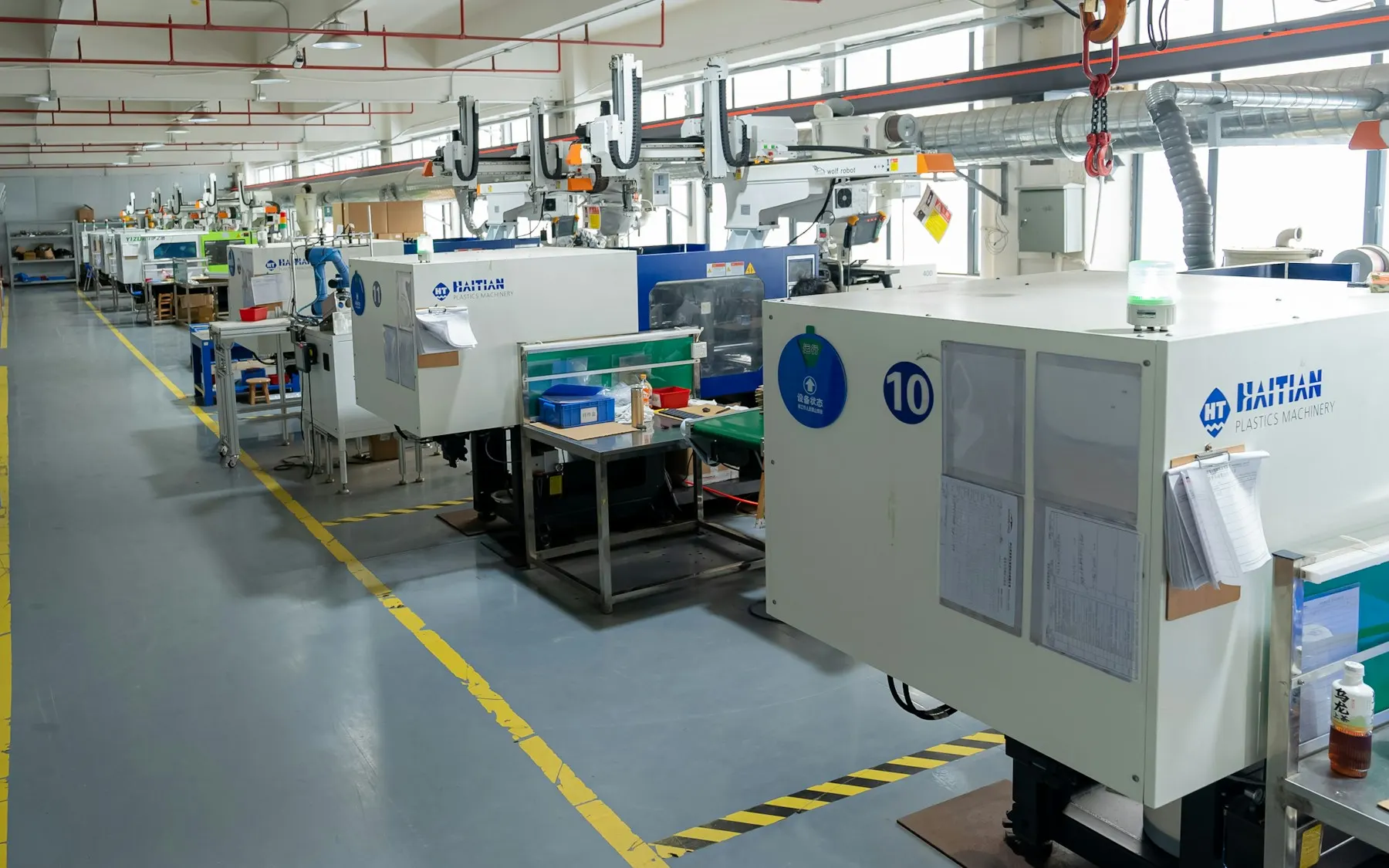
DFM, tooling, trial samples, correction loops, and production release managed through defined checkpoints.
Start Your RFQ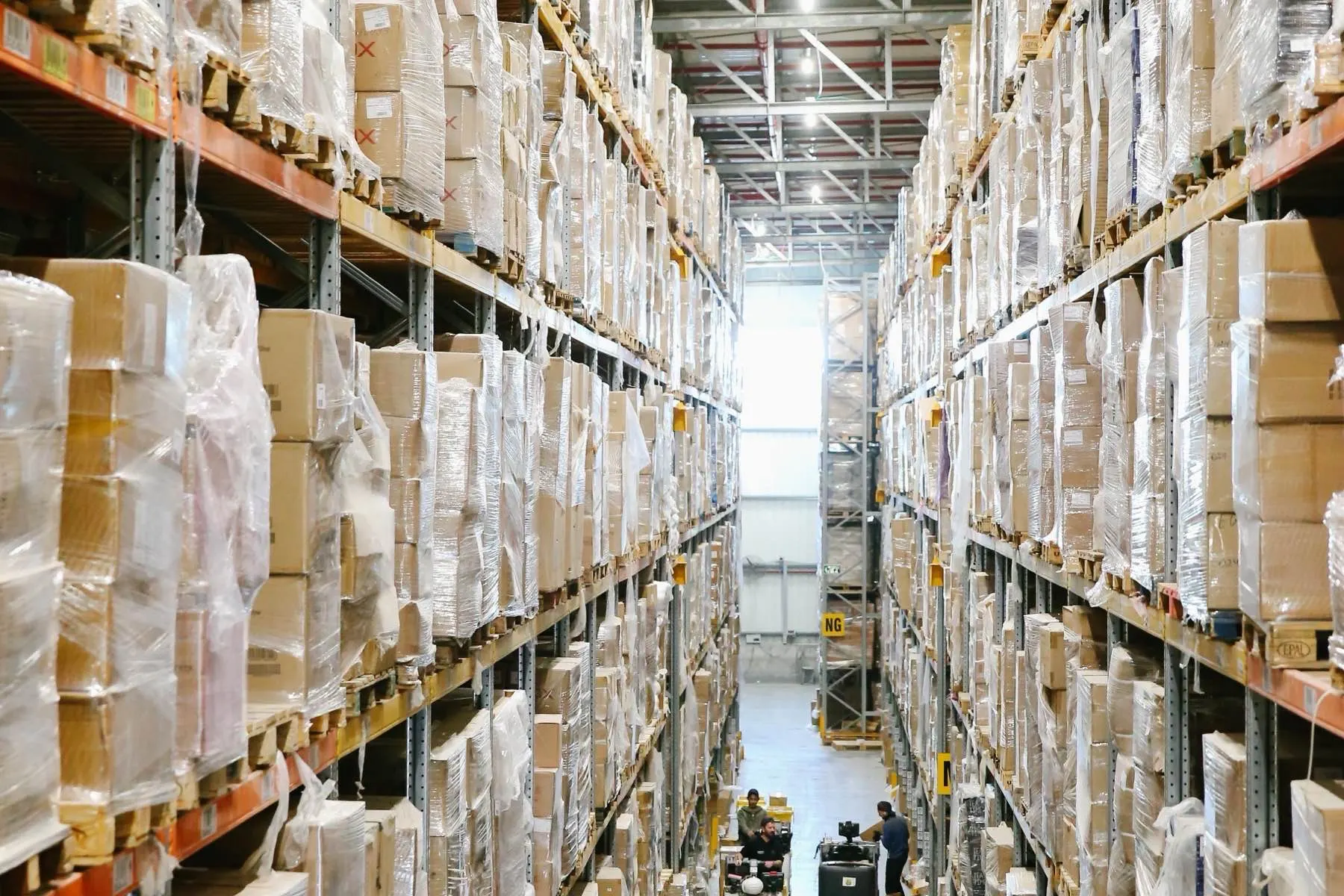
BOM, component, and mixed-process sourcing with requirement clarification, supplier screening, and quotation comparison.
Start Your RFQCross-process support
How we work
Meknora works on the buyer's side. We help customers evaluate suppliers, compare quotations, coordinate manufacturing, manage quality, and support delivery — without hidden supplier commissions.
Suppliers are evaluated against your project's capability, quality, cost, lead-time, and delivery requirements — not referral fees.
Meknora does not accept undisclosed commissions or incentives from suppliers for steering projects their way.
Manufacturing, inspection, and logistics costs are handled transparently. Any Meknora service or coordination fee is disclosed separately.
Manufacturing process
The route changes by project, but Meknora remains the primary contact for technical questions, supplier follow-up, inspection findings, and delivery coordination.
Start Your RFQShare drawings, CAD, a BOM, target quantity, timing, and known quality needs.
We surface open questions, critical features, DFM points, and quote assumptions.
We compare supplier fit, pricing, lead-time basis, tooling, inspection, and commercial scope.
Approvals, milestones, change control, and the agreed inspection plan stay connected.
Inspection records, packaging, and international shipment handoff are coordinated.
Quality control
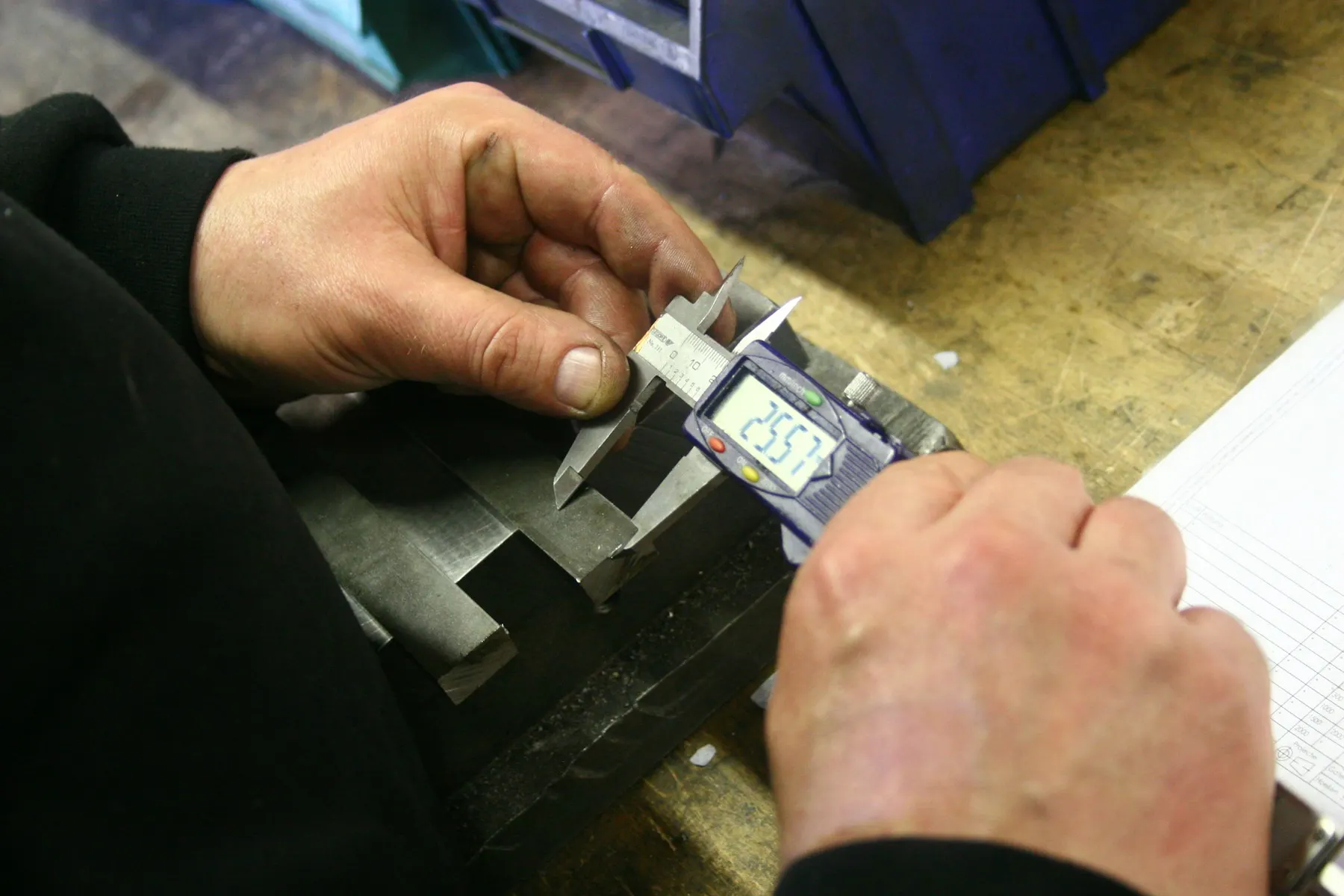
Inspection is only useful when it reflects the actual drawing, failure risk, and acceptance standard. The quotation should state the checks, sample scope, records, and release steps included for the project.
Confirm the drawing revision, critical-to-quality features, and acceptance criteria.
Align material, process, sample, in-process, and final checks to the requirement.
Collect dimensional, visual, material, and other agreed evidence before release.
Define containment, rework, remake, and corrective-action responsibility when needed.
Why work with us
We connect the drawing, supplier quotation, production follow-up, inspection records, and shipment handoff. Third-party costs and Meknora's own service fees are kept separate and visible wherever practical.
Supplier outreach starts after drawings, revisions, critical features, quantities, and open questions are understood.
Supplier decisions are based on the needs of the project — process, material, tolerance, finish, volume, and documentation — rather than factory commissions or referral incentives.
Quotation scope, exclusions, lead-time basis, approvals, and inspection expectations are clarified before commitment.
One point of contact across engineering, suppliers, quality, and delivery — connected to the RFQ from review through shipment.
Project contexts
Project fit is confirmed after reviewing the drawing, volume, compliance, supply-chain, and quality requirements.
NDA & IP protection
Sensitive product information should move only as far as the quotation or production task requires. The handling approach is agreed before detailed supplier disclosure.
Common questions
Start with the information you have. We use the RFQ review to identify missing inputs, quotation assumptions, and decisions needed before production.
Send the latest 2D drawing or 3D CAD when available, along with material, finish, target quantity, destination, and required timing. For sourcing work, a BOM or clear component specification is a useful starting point. If information is missing, we will identify the open items during review.
NDA support is available before detailed file review. Send your agreement for review or request the applicable mutual NDA process. The agreement must be accepted by both parties before it applies.
The appropriate route depends on process, geometry, material, quantity, and timing. We can evaluate prototype, bridge-production, and repeat-production requirements, then confirm supplier fit and any quantity constraints in the quotation.
Selection begins with the technical and commercial requirement. Relevant factors may include process capability, material experience, tolerances, finishing, capacity, documentation, communication, and willingness to support the required inspection plan. The exact screening scope is confirmed for the project.
The quality plan is tied to the drawing and agreed acceptance criteria. Depending on the project, it may include material documentation, sample approval, in-process checks, dimensional inspection, visual standards, and pre-shipment records. The required evidence is defined before production release.
The first steps are to document the issue, contain affected parts, and compare the result with the agreed specification and inspection record. The response may involve sorting, rework, remake, replacement, or corrective action. Responsibility and remedy depend on the confirmed project terms and evidence.
Start with the technical requirement
Send the current files, target quantity, destination, and timing. We will identify missing inputs and open assumptions before preparing a quotation path.
Upload Your Drawing